


The first day of school is a major milestone. Whether your child is stepping into a primary classroom for the very first time, or transitioning into middle school in a completely new city like Kota, the emotions are the same: a mix of eager anticipation and undeniable anxiety.
For parents, this day is equally emotional. You want to ensure they are confident, comfortable, and ready to learn. However, a successful first day doesn’t start when they step off the school bus; it starts at home, days before the new term begins.
Here are practical, actionable tips to help you prepare your child for a seamless transition into their new academic journey.
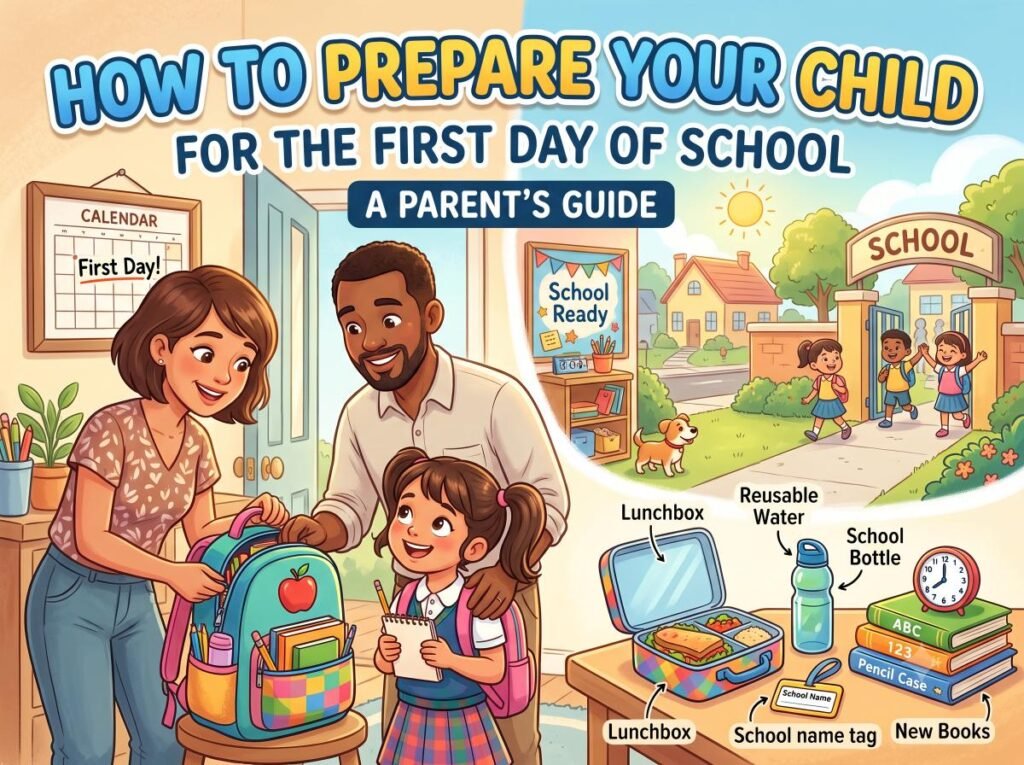
1. Start the Routine Early
The most jarring part of a new school year is the sudden shift in schedule. Moving from relaxed vacation mornings to a rigid 6:30 AM wake-up call is a shock to a child’s system.
-
The 7-Day Rule: Start adjusting their sleep and wake times at least a week before school starts. Move bedtime back by 15 minutes each night until you hit the target time.
-
Morning Run-Throughs: Have a “practice morning.” Wake up, get dressed, eat breakfast, and pack the bag. This removes the panic of the unknown on the actual day.
2. Validate Their Anxiety (Don’t Dismiss It)
When a child says, “I’m scared,” the natural parental instinct is to reply, “Don’t be silly, you’ll be fine!” While well-intentioned, this dismisses their feelings.
-
Acknowledge and Reframe: Say, “It is completely normal to feel nervous about a new place. I felt nervous on my first day of a new job, too.”
-
Focus on the Positives: Pivot the conversation to things they can control or look forward to. Ask them what subject they are most excited to learn or who they are looking forward to playing with during recess.
3. Master the Logistics the Night Before
A chaotic morning sets a stressful tone for the entire day. Eliminate morning friction by turning the evening into a preparation ritual.
| Task | Why It Helps |
| Pack the Bag Together | Gives the child a sense of ownership and ensures they know exactly which pocket holds their lunch or pencils. |
| Lay Out the Uniform | Prevents morning meltdowns over missing socks or unironed shirts. |
| Prep the Tiffin | Chop the vegetables or prepare the dry snacks so you aren’t rushing the cooking process at 6:00 AM. |
4. The Drop-Off Strategy: Keep it Short and Sweet
The moment of separation at the school gate is often the hardest. Drawn-out goodbyes increase anxiety for both you and your child.
-
Create a Goodbye Ritual: Establish a fun, quick routine—like a specific high-five, a secret handshake, or a simple “Love you, have a great day!”
-
Do Not Linger: Once you say goodbye, hand them over to the teacher or staff and leave promptly. Children feed off their parents’ emotions; if you look tearful and hesitant, they will feel unsafe. Trust the educators to handle the tears if they come.
5. Familiarize Them with the Campus
Fear of the unknown is the biggest driver of first-day anxiety. If your child doesn’t know where the washroom is or where they are supposed to eat lunch, they will feel overwhelmed.
Whenever possible, attend the school’s orientation day. Walk the halls with them. Show them the library, the playground, and the cafeteria.
6. The Post-School Decompression Strategy
Parents are often eager to hear every detail about the first day, greeting their child at the door with a barrage of questions: “How was it? Did you make friends? What did you eat? Was the teacher nice?”
For a child who has just spent six hours processing new rules, new faces, and a new environment, this interrogation can be overwhelming.
-
Give Them Space: When they get home, offer them a healthy snack and let them decompress for 30 to 45 minutes before asking about their day.
-
Ask Open-Ended, Specific Questions: Instead of asking, “How was your day?” (which usually gets a one-word answer like “Fine”), ask, “What was the funniest thing that happened today?” or “Who did you sit next to during lunch?”
7. Fostering Independence (The “I Can Do It” Mindset)
A school environment requires a level of independence that a child might not practice at home. Teachers in a bustling classroom cannot open every single tiffin box or tie every shoelace.
-
The Lunchbox Test: Ensure your child can actually open and close their lunchbox and water bottle without assistance. Practice this at home.
-
Bathroom Independence: Make sure they are comfortable managing their own bathroom needs and washing their hands properly.
-
Managing Belongings: Teach them to recognize their own belongings. Labeling their bags, jackets, and stationery prevents the classic “first-week lost items” scenario and gives them a sense of responsibility.
8. The “Day 3” Reality Check
The first day is often fueled by adrenaline and novelty. By Day 3 or Day 4, the reality sets in that this is a daily routine, not a one-time event. This is when the real tears and reluctance often begin.
-
Stay Consistent: If your child suddenly refuses to go to school on Thursday, do not cave and let them stay home. Consistency is the only way to build a habit.
-
Validate, but Firmly Move Forward: Say, “I know you are feeling tired and want to stay home, but Thursday is a school day. Let’s get your shoes on.”
9. Designating a “Homework Zone”
Even if your child does not have formal homework in the first week, establish the routine immediately.
-
Create a Dedicated Space: Set up a specific desk or a quiet corner of the dining table that is free from television and distractions.
-
The 15-Minute Rule: Have them sit at this station for just 15 minutes after their decompression time. They can draw, look at a book, or organize their pencil box. This builds the muscle memory of sitting down for focused work, which pays massive dividends when the actual syllabus begins.
10. Building a Partnership with the Teacher
The relationship between parent and teacher is a partnership, not a customer-service transaction.
-
Introduce Yourself Early: Don’t wait for the first Parent-Teacher Meeting (PTM). Send a short, polite introductory note or email in the first week expressing your enthusiasm for the year.
-
Share Important Context: If your child has a specific allergy, is going through a transition at home, or has a specific anxiety trigger, let the teacher know immediately. Teachers appreciate having the context they need to support your child effectively.
The Vidhyanjali Academy Ecosystem
At Vidhyanjali Academy, we believe education is a three-way partnership between the student, the school, and the parents. We understand that the first week sets the tone for the entire academic year.
To make this transition as smooth as possible, our campus utilizes a seamless communication system. Parents receive regular updates, not just on academics, but on their child’s holistic integration into the school community. Our teachers are trained to observe those “Day 3 slumps” and actively engage students to bring back their enthusiasm. We do not just teach students; we nurture them, ensuring that by the end of the first week, Vidhyanjali Academy feels like a second home.